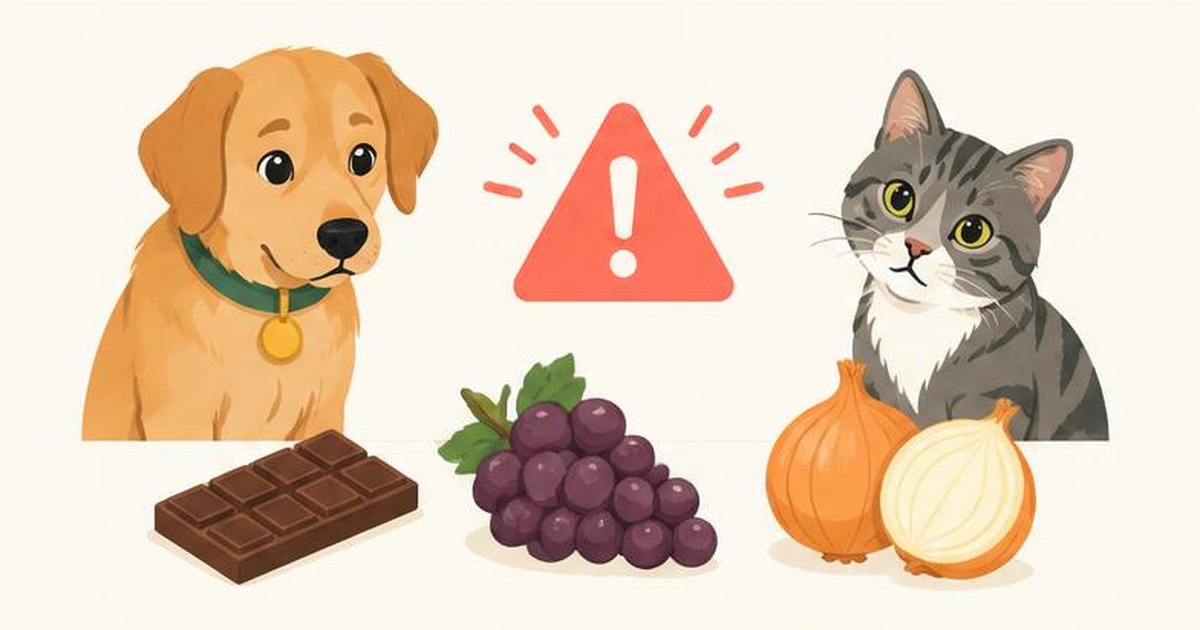
Toxic foods for dogs and cats: what they can eat
Type a food and instantly see whether it is dangerous for your pet.
Chocolate and cocoa
ToxicTheobromine: vomiting, tremors, arrhythmia. The darker, the more dangerous.
Onion, garlic, leek, shallot
ToxicDamage red blood cells (anaemia), even cooked or powdered.
Grapes and raisins
ToxicCan cause acute kidney failure even in small amounts.
Xylitol (sweetener, chewing gum)
ToxicSevere low blood sugar and liver damage, especially in dogs.
Macadamia nuts
ToxicWeakness, tremors and fever in dogs.
Alcohol and raw yeast dough
ToxicPoisoning and stomach bloating.
Coffee, tea, energy drinks
ToxicCaffeine causes restlessness, rapid heartbeat and tremors.
Cooked bones
ToxicThey splinter and can perforate the gut. In BARF only raw bones.
Avocado
CautionFatty, and the stone can cause blockage; skin and leaves contain persin.
Milk and dairy
CautionMany adults can’t digest lactose: diarrhoea. Small amounts of yoghurt are usually tolerated.
Raw fish
CautionBest deep-frozen first; too much of some raw fish lowers vitamin B1.
Cured meats and salty food
CautionToo much salt and fat: pancreatitis risk. Only rarely and in tiny amounts.
Carrots, courgettes, pumpkin
SafeFibre and vitamins for dogs; best cooked or blended.
Apple (no seeds or core)
SafeA light snack; always remove the seeds.
Blueberries
SafeRich in antioxidants, in small amounts.
Chicken and turkey (no cooked bones)
SafeLean protein, raw (BARF) or cooked without seasoning.
Egg
SafeGreat protein; too much raw egg white lowers biotin.
If your pet ate something toxic, call your vet or an emergency clinic right away: don’t wait for symptoms.
Understanding toxic, caution and safe
The search covers foods in the list, not every product or recipe. Select dog or cat first and always read the result note: species and preparation can change the context. Toxic means avoid; caution requires attention to the conditions described; safe does not mean suitable in any amount.
A food that is not found is not automatically harmless. Search individual ingredients and check labels and seasonings: a dish may contain more than the ingredient you searched for. This list does not replace veterinary assessment or calculate toxic doses.
Practical examples: chocolate and apple
Searching for chocolate displays a toxicity warning. If your pet has eaten it, do not use the search to decide whether to wait. Contact your vet and describe the product type, estimated amount, time and your pet’s weight. Keep the packaging so you can read the ingredients.
Apple is marked safe with conditions: the note excludes seeds and the core and limits the amount. This does not approve a whole apple or an apple dessert, which may contain other ingredients. Reading the detail is as important as the result colour.
If ingestion is suspected
Call your vet or an emergency clinic immediately, without waiting for symptoms. Have the product name, ingredients, possible amount, time of ingestion, species and weight ready. If you do not know the amount, say so rather than inventing a precise estimate.
Do not induce vomiting or give milk, medicines or home remedies without professional instructions. You can record the event after requesting help, but logging details must not delay the call.