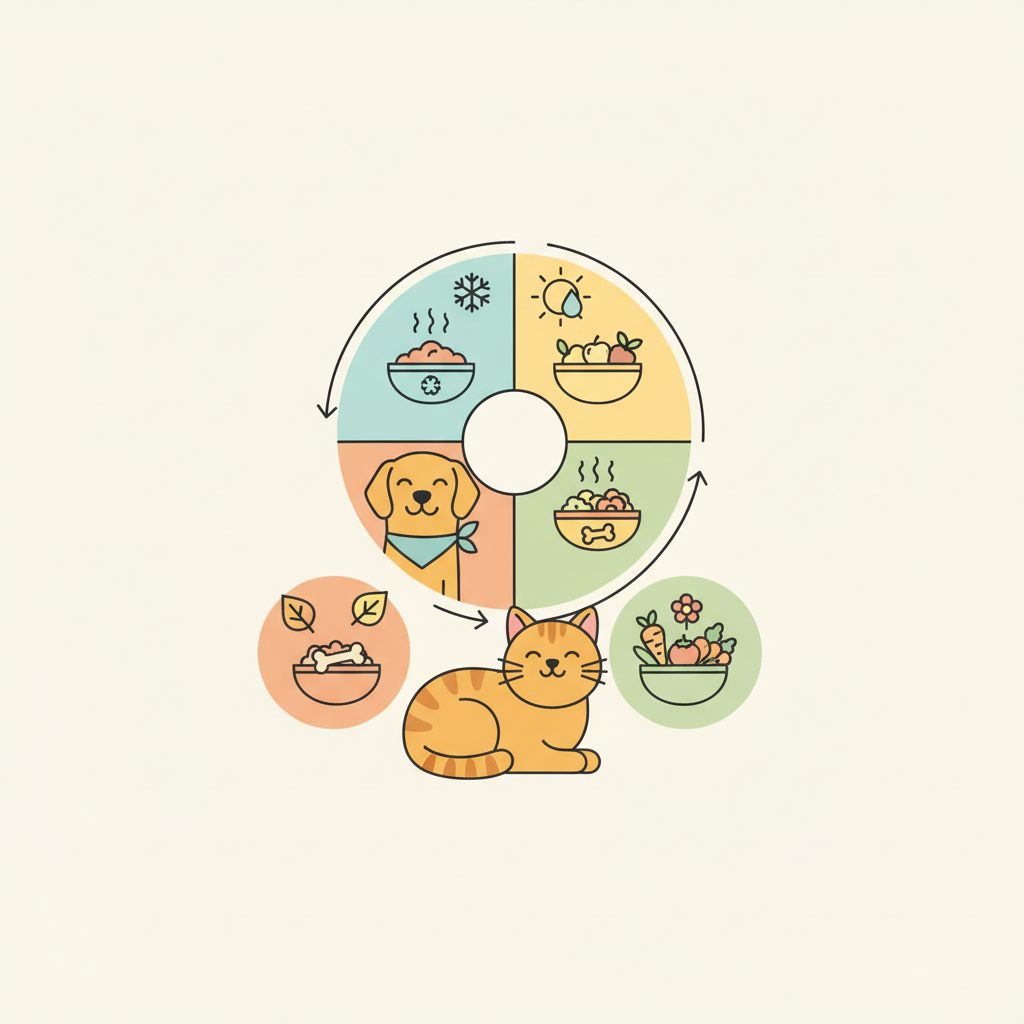
As the seasons change, so do your dog’s nutritional needs. Whether it’s the heat of summer or the cold of winter, understanding how weather impacts your dog’s diet can help you keep them healthy, energetic, and comfortable year-round. Here’s how to create a seasonal feeding plan tailored to your dog’s needs.
Summer Feeding Tips for Dogs
Hot weather brings unique challenges for dogs, including dehydration, reduced appetite, and higher energy expenditure. Here’s how to adjust their diet during summer:
- Hydration is key: Always ensure your dog has access to fresh, cool water. Consider adding water to their meals or offering wet food to increase fluid intake.
- Smaller, lighter meals: Dogs tend to eat less in the heat. Feed smaller portions of easily digestible food, such as lean proteins and cooling vegetables like cucumber or zucchini.
- Avoid midday meals: Feed your dog in the cooler parts of the day, such as early morning or late evening, to prevent discomfort.
- Monitor activity levels: If your dog is less active due to the heat, reduce their calorie intake slightly to avoid weight gain.
For BARF (biologically appropriate raw food) diets, ensure raw meat is fresh and stored properly to prevent spoilage in warm weather.
Winter Feeding Adjustments
Cold weather increases calorie needs as dogs burn more energy to stay warm. Here’s how to support your dog during winter:
- Increase calorie intake: Dogs living in cold climates may need up to 10-20% more calories. Focus on nutrient-dense foods like higher-fat meats or supplements like fish oil.
- Warm meals: Serve slightly warmed food to make it more appealing and help your dog stay cozy.
- Monitor weight: Balance increased calorie intake with activity levels. Regularly weigh your dog to ensure they’re maintaining a healthy weight.
- Stay hydrated: Winter dehydration is common. Ensure your dog has access to fresh, unfrozen water at all times.
If your dog spends a lot of time outdoors, consider adding more protein and fat to their diet to support their energy needs.
Spring and Fall Transition Tips
Seasonal transitions can bring fluctuating temperatures and activity levels. Here’s how to adapt:
- Gradual changes: Slowly adjust portion sizes and meal composition over 1-2 weeks to avoid digestive upset.
- Monitor activity: As your dog becomes more active in spring or less active in fall, adjust their calorie intake accordingly.
- Seasonal allergies: Some dogs develop allergies in spring or fall. Consult your vet if you notice itching, redness, or digestive issues.
Seasonal Feeding Checklist
Use this checklist to ensure your dog’s diet stays on track:
- ✓ Adjust portion sizes based on temperature and activity level.
- ✓ Provide fresh water at all times.
- ✓ Monitor weight regularly.
- ✓ Transition gradually between seasons.
- ✓ Consult your vet for specific needs.
FAQs About Seasonal Feeding for Dogs
Can I feed my dog the same food year-round?
While the type of food may stay the same, portion sizes and meal frequency may need seasonal adjustments. For example, dogs may need more calories in winter and smaller meals in summer.
How do I know if my dog is dehydrated?
Signs of dehydration include dry gums, lethargy, and reduced skin elasticity. If you suspect dehydration, offer water immediately and consult your vet.
Should I feed my dog differently if they’re indoors most of the time?
Indoor dogs may need fewer calories in winter compared to outdoor dogs. Adjust their diet based on their activity level and comfort with temperature changes.
Track Your Dog’s Seasonal Needs with Karepet
Keeping track of your dog’s diet and health can be easier with tools like the Karepet health record app. Use it to log meals, monitor weight, and set reminders for seasonal adjustments. For BARF diets, try our BARF calculator to ensure your dog gets the right nutrients year-round.
By tailoring your dog’s diet to the seasons, you can help them stay healthy and happy no matter the weather. Start today by assessing their current needs and making small, gradual changes.